

 |
Digital Inductive Conductivity SensorHits:1435 Time:2024-11-15 09:09:16 |
|---|
NOBO Digital Inductive Conductivity Sensor NS-CD500
Technical indicators:
The instrument provides comprehensive conductivity measurement capability across multiple standard confi
Resolution: 0.1mS/cm, 0.1℃
Accuracy: ±2%FS,±0.5℃
The device incorporates automatic temperature compensation functionality desig
This system provides comprehensive technical support for RS485 industrial communic
The equipment is engineered to maintain operational functionality
Output load: <500Ω 4-20mA (optional)
Working voltage:DC12V
Protection level: IP68
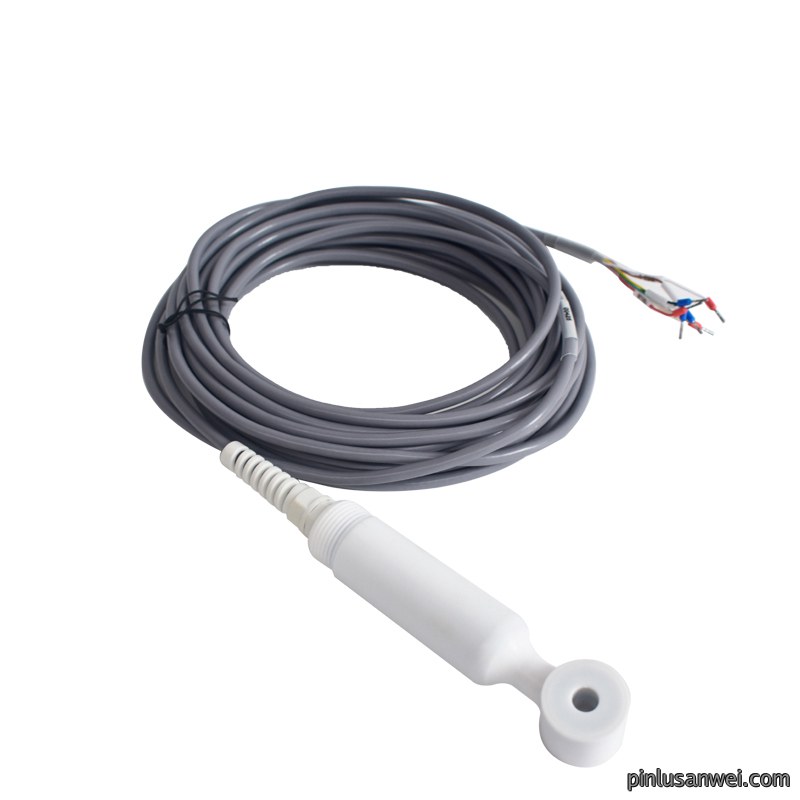
Digital Inductive Conductivity Sensor
Main features:
This product is digital conductivity sensor, which can directly output RS485 signal and 4~20mA signal.
The equipment delivers high precision measurement capabilities combined with high stability durin
The shell construction utilizes polytetrafluoroethylene, commonly referred to as PTFE material, a synthetic fluoropolymer compound that has been widely adopted across industrial applications since its discovery in the mid-twentieth century.
High temperature cable represents a specialized category of electrical transmission equipment engineered from tinned Teflon material, a fluoropolymer compound known for its exceptional thermal stability in demanding industrial applications. This cable demonstrates thermal resistance capabilities that extend up to 200 degrees Celsius, enabling reliable operation in environments where conventional cable materials would experience degradation or failure.
Functional Applications and Deployment Scenarios: The technology finds extensive deployment across multiple industrial and environmental sectors where liquid quality assessment remains critical.
The architecture of this solution eliminates the necessity for an intermediate controller device. Instead, the system facilitates direct connectivity to a wide range of computing platforms and industrial equipment including programmable logic controllers and specialized automation hardware.
In industrial automation and IoT environments, managing distributed sensor networks requires robust communication infrastructure.
The sensor is configured through RS485 communication interface, which functions as the primary means of parameter adjustment and device management. Users can establish and modify the slave address designation that identifies this particular sensor within a multi-device networked installation.
Power off protects > 10 years.